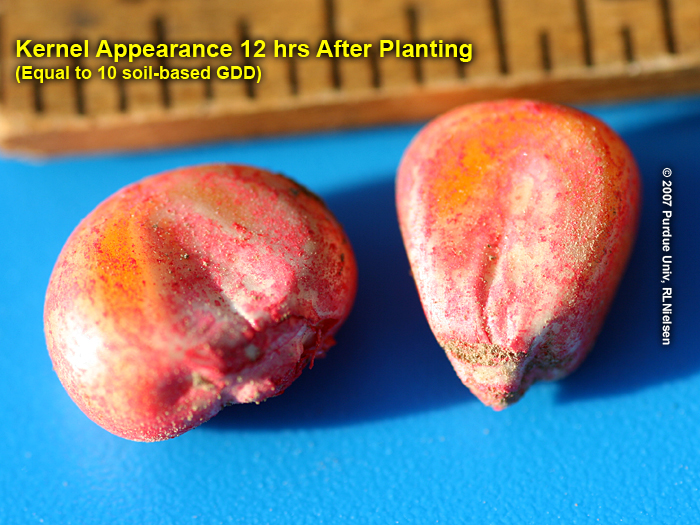
Fig. 1. Kernel appearance 12 hrs after planting.
Understanding the sequence of the visual indicators of germination in corn can help troubleshoot emergence problems.
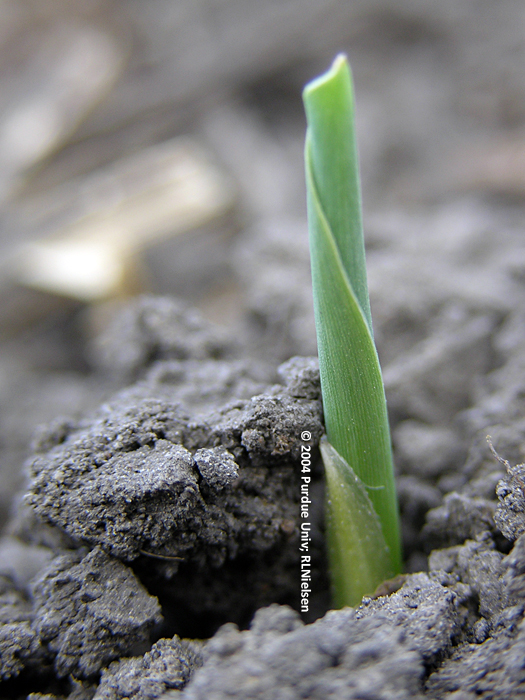
 ermination is the renewal of enzymatic activity that results in cell division and elongation and, ultimately, embryo emergence through the seed coat. Germination is triggered by absorption of water through the seed coat. Corn kernels must absorb (imbibe) about 30 % of their weight in water before germination begins. Less than optimum absorption of water (perhaps due to a rapidly drying seed zone) may slow or stop germination. Repeated wetting and drying cycles can decrease seed viability.
By comparison, soybeans must imbibe about 50 % of their weight in water. But since soybeans are approximately 2/3 the weight of corn kernels, the total amount of absorbed water required for germination is relatively similar.
The visual indicators of germination occur in a distinct sequence and are strongly influenced by soil temperature. Germination and emergence will occur in fewer calendar days when the seed is planted into warm soils than in cold soils. However, the thermal time from planting to emergence is fairly predictable, especially if estimated using soil temperature (Nielsen, 2017). Measured in terms of Modified Growing Degree Days (GDD), corn typically emerges in 115-120 GDD (equivalent to about 65 GDD Celsius) after planting.
Tip: A good online source of current and predicted GDD accumulation plus predicted growth stages based on thermal time is the Corn Growing Degree Day Decision Support Tool, currently hosted by the Midwest Regional Climate Center.
In terms of calendar days, the fewest number of days after planting I have ever seen corn emerge is about 4 and that was with average daily soil temperatures that averaged 75F throughout the ENTIRE [planting to emergence] period (Nielsen, 2015). The slowest I have seen corn emerge is about 35 days after planting and that was with average daily soil temperatures averaging 50F throughout the ENTIRE [planting to emergence] period. The latter observation should give you pause for thought considering that "50F" has always been considered lower temperature threshold for planting corn. Yes, corn will germinate at 50F, but if soil temperatures fluctuate after planting above and below 50F, emergence can take a very long time.
See image gallery below.
Understanding the natural sequence of the visual indicators of germination can help you troubleshoot problems with germination or emergence.
When temperatures are optimum, the visual indicators of germination may appear on nearly the same day. Excessively cool soils may delay the appearance of the coleoptile and lateral seminal roots for more than a week after the radicle root emerges. It is not uncommon in cold planting seasons to dig up kernels two weeks after planting and find only short radicle roots and no visible coleoptiles.
When excessively cold and/or wet soils delay germination and/or emergence, the kernel and young seedling are subjected to lengthier exposure to damaging factors such as soil-borne seed diseases, insect feeding and injury from pre-plant or pre-emergent herbicides and carryover herbicides from a previous crop.
See my article on emergence failure in corn for more troubleshooting information.
Click image to view larger version in a popup window. Left or right arrow on your keypad will cycle through the popup images.
Fig. 1. Kernel appearance 12 hrs after planting.
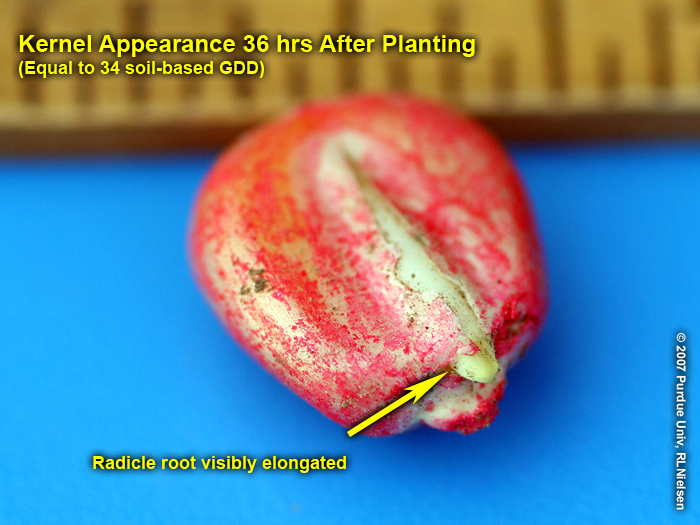
Fig. 2. Seedling appearance 36 hrs (34 GDD) after planting.
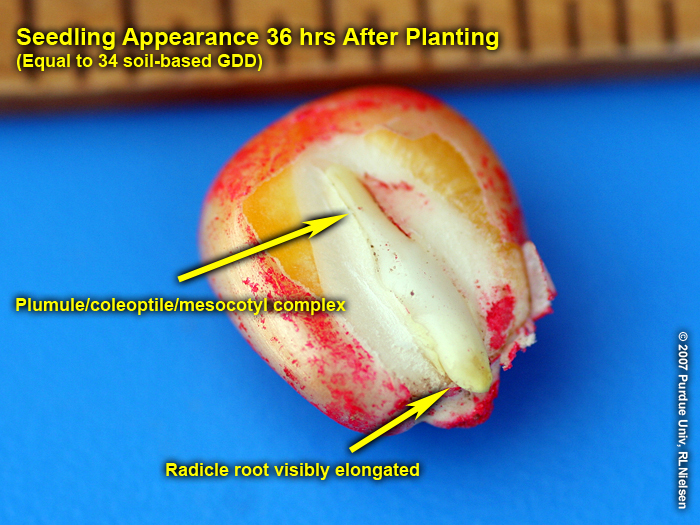
Fig. 3. Seedling appearance 36 hrs (34 GDD) after planting.
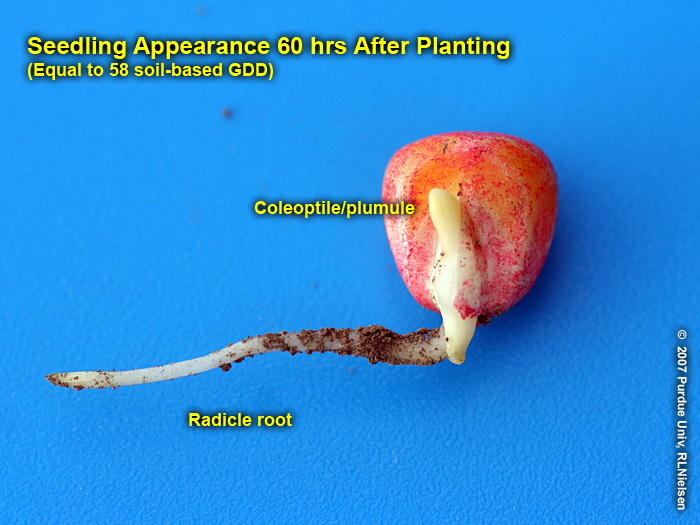
Fig. 4. Seedling appearance 60 hrs (58 GDD) after planting.
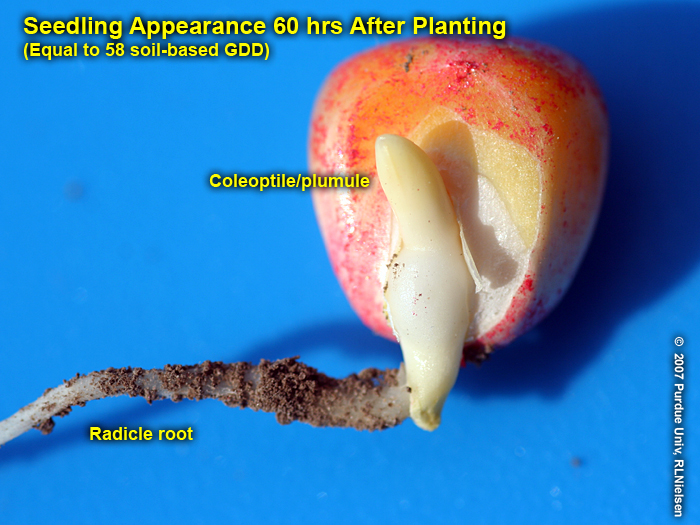
Fig. 5. Seedling appearance 60 hrs (58 GDD) after planting.
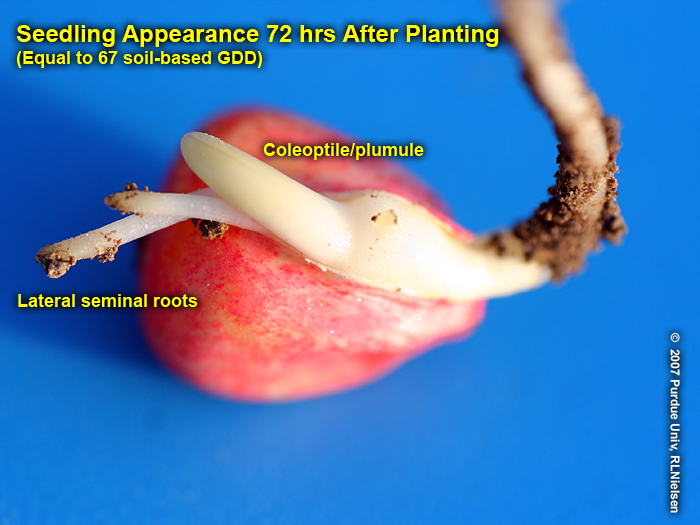
Fig. 6. Seedling appearance 72 hrs (67 GDD) after planting.
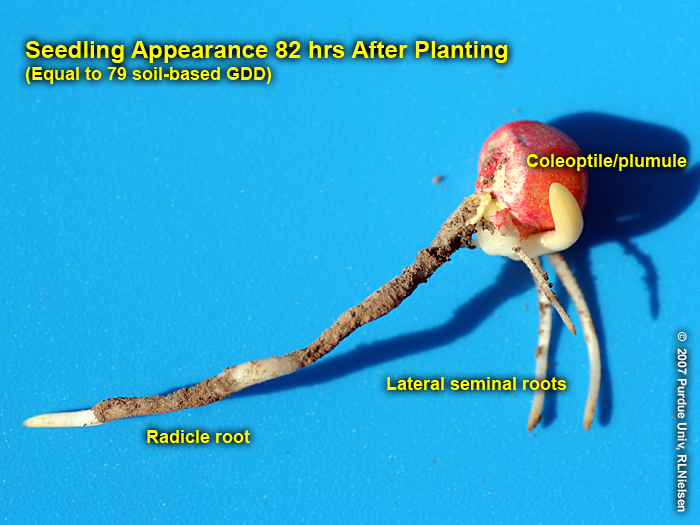
Fig. 7. Seedling appearance 82 hrs (79 GDD) after planting.
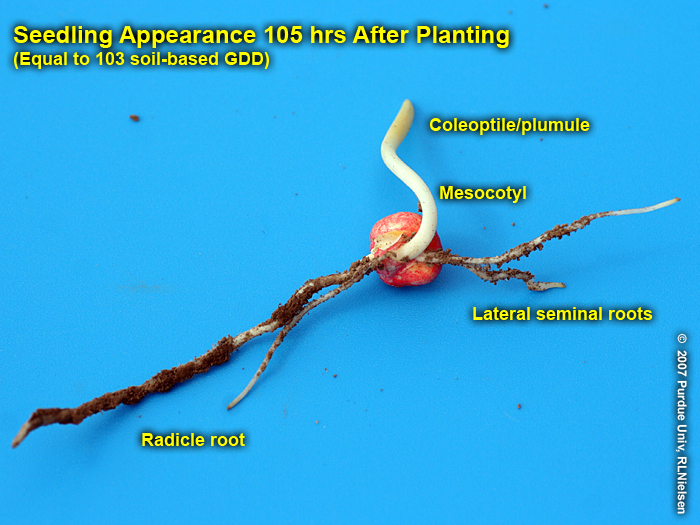
Fig. 8. Seedling appearance 105 hrs (103 GDD) after planting.

Fig. 9. Seedling emergence 5 days (114 GDD) after planting.
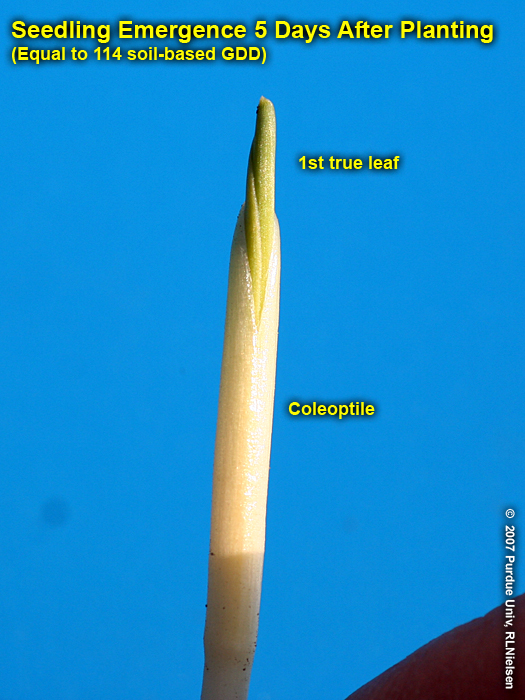
Fig. 10. Seedling emergence 5 days (114 GDD) after planting.
Abendroth, Lori J., Roger W. Elmore, Matthew J. Boyer, Stephanie K. Marlay. How a Corn Plant Develops (PMR 1009). 2011. Iowa State Univ. Extension. https://store.extension.iastate.edu/product/Corn-Growth-and-Development. [URL accessed May 2019].
Hicks, Dale and Seth Naeve. 2018 (Reviewed). The Corn Growers Field Guide For Evaluating Crop Damage And Replant Options. Univ. of Minnesota Ext. Service. https://extension.umn.edu/corn-planting/corn-growers-guide-evaluating-crop-damage-and-replant-options. [URL accessed May 2019].
Nielsen, RL (Bob). 2014. The Emergence Process in Corn. Corny News Network, Purdue Univ. Extension. http://www.kingcorn.org/news/timeless/Emergence.html. [URL accessed May 2019].
Nielsen, RL (Bob). 2015. Requirements for Uniform Germination and Emergence of Corn. Corny News Network, Purdue Univ. Extension. http://www.kingcorn.org/news/timeless/GermEmergReq.html. [URL accessed May 2019].
Nielsen, RL (Bob). 2017. Heat Unit Concepts Related to Corn Development. Corny News Network, Purdue Univ. Extension. http://www.kingcorn.org/news/timeless/HeatUnits.html [URL accessed May 2019]
Nielsen, RL (Bob). 2019. Emergence Failure of Corn. Corny News Network, Purdue Univ. Extension. http://www.kingcorn.org/news/timeless/EmergenceFailure.html [URL accessed May 2019]